
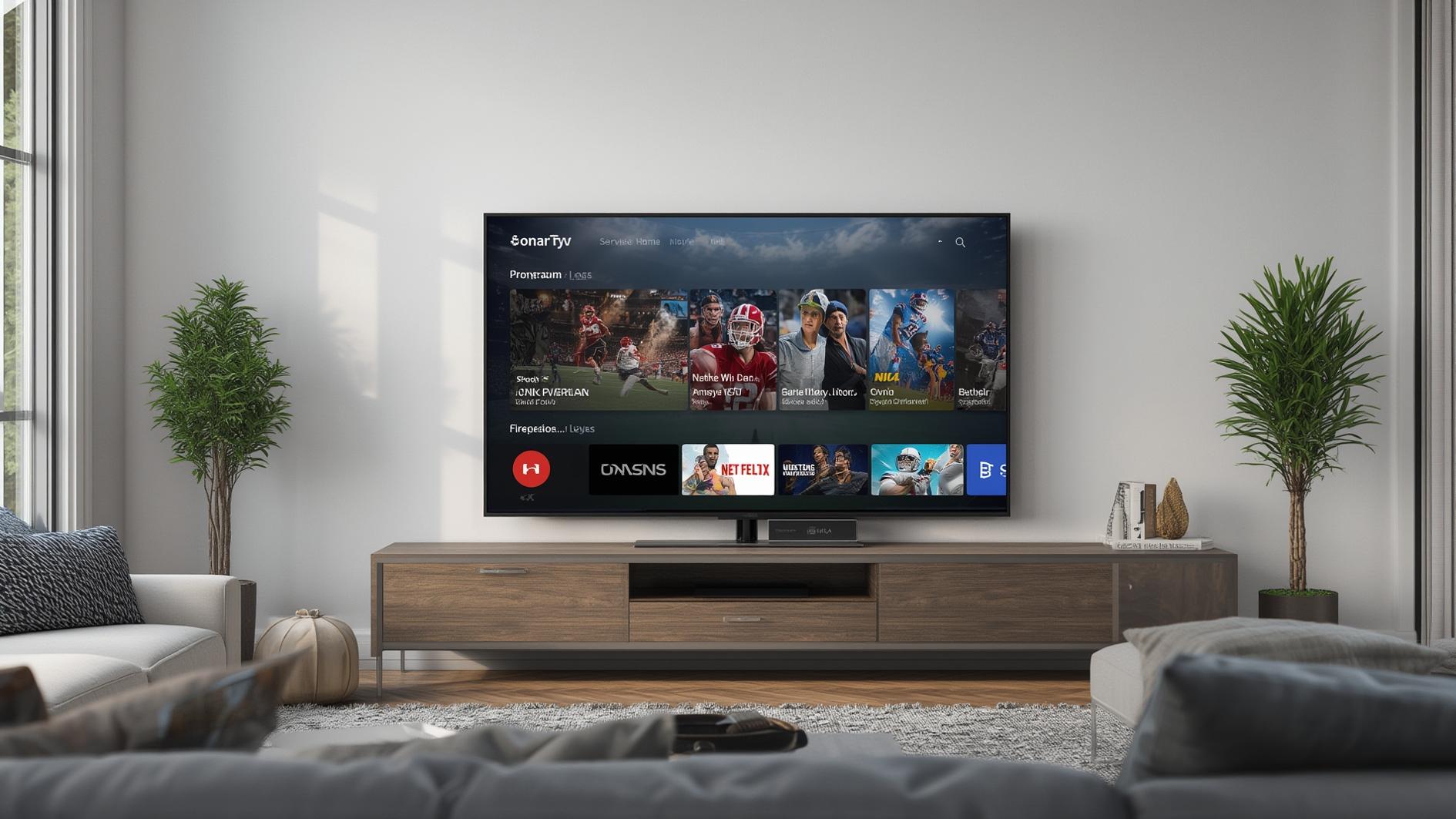
IPTV Streaming 2026: Best Channels, Features & Setup Guide
If you’ve been hearing about IPTV streaming lately and aren’t quite sure what all the fuss is about, you’re not alone. Cord-cutting has become mainstream, and IPTV streaming has emerged as one of the most practical alternatives to traditional cable. But it’s more than just another streaming option—it’s fundamentally different from what you might be used to.
📋 In This Guide
- Understanding IPTV Streaming: The Modern Way to Watch TV
- What Exactly Is IPTV Streaming?
- How Does IPTV Streaming Actually Work?
- Key Features and Benefits of IPTV Streaming
- Device Compatibility and Setup
- Pricing: What Will You Actually Pay?
- Getting Started With IPTV Streaming
- The Real Pros of IPTV Streaming
- The Honest Cons You Should Know About
- Common Mistakes to Avoid
- Is IPTV Streaming Actually Worth It?
- Frequently Asked Questions About IPTV Streaming
- Final Verdict: Is IPTV Streaming Right for You?
In this guide, I’ll walk you through everything you need to know about IPTV streaming, from how it actually works to whether it’s worth your time and money. By the end, you’ll have a clear understanding of whether this technology is right for your household.
What Exactly Is IPTV Streaming?
Let’s start with the basics. IPTV stands for Internet Protocol Television, which is a fancy way of saying “TV delivered over the internet using an internet protocol.” Think of it like this: instead of your cable company sending signals through coaxial cables to your TV, IPTV sends television content through your regular internet connection.
Here’s how it works in practice. When you use IPTV streaming, you’re not downloading files like you might with Netflix. Instead, the service streams content to you in real-time. Your device receives data packets from the IPTV provider’s server, which your equipment then converts into the video and audio you see on screen.
The key difference between IPTV streaming and standard streaming services like Netflix or YouTube is that IPTV typically offers live TV channels, sports, movies, and on-demand content all bundled together. It’s designed to replicate the cable TV experience but with way more flexibility and without the expensive hardware rental fees.
How Does IPTV Streaming Actually Work?
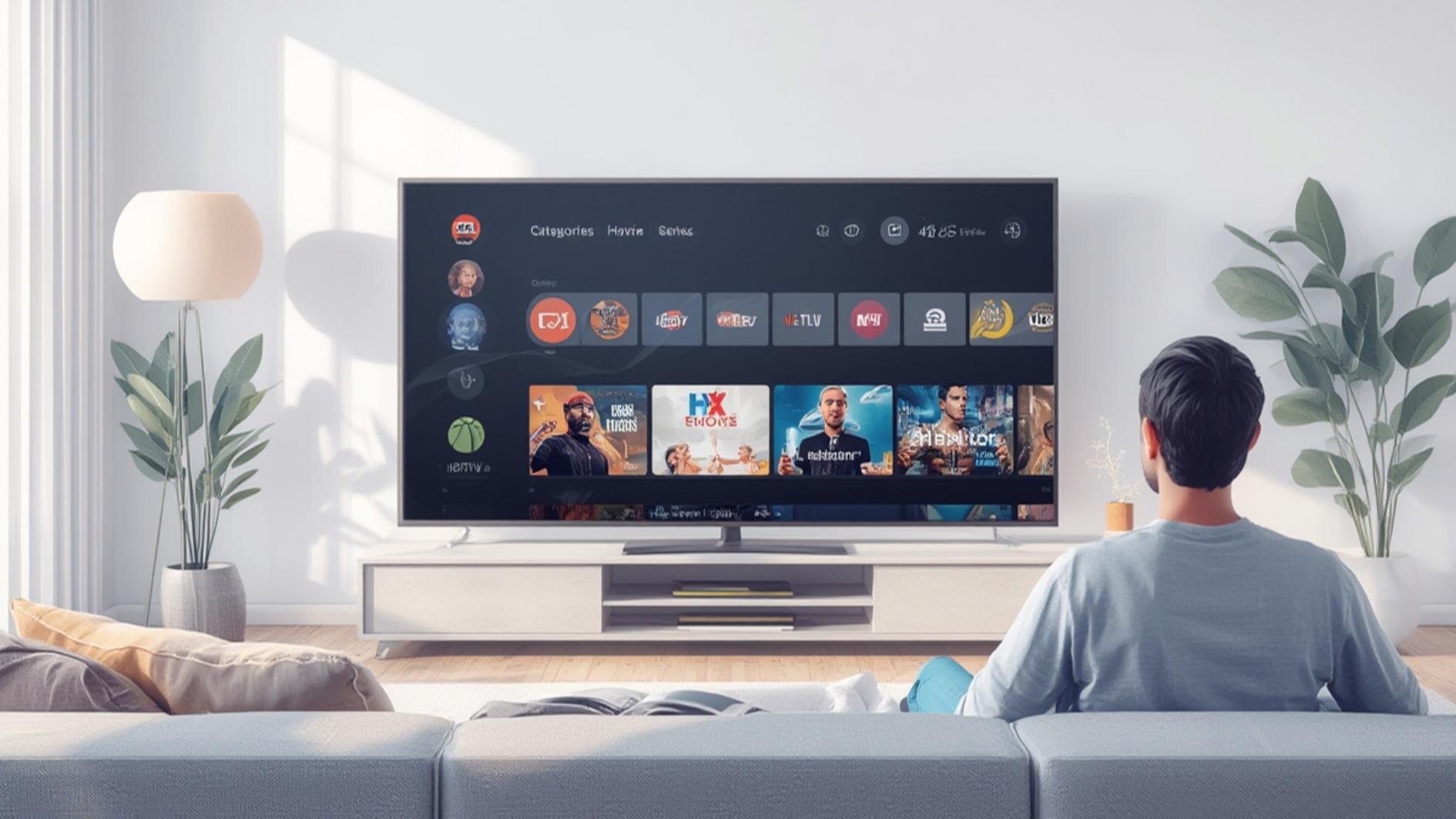
When you set up IPTV streaming, you’ll typically get either a dedicated set-top box or you’ll use an app on an existing device like a smart TV, smartphone, or computer. Your provider sends you login credentials, and you connect through their portal to access their content library.
The process starts with the IPTV provider having content servers and a streaming infrastructure. When you select a channel or program, you’re essentially requesting that content from their server. The server then sends that video data through your internet connection using the IPTV protocol, which is specifically designed to handle live streaming efficiently.
What makes this different from regular internet streaming is the use of multicast technology in many IPTV systems. Rather than each viewer getting their own unique stream (which would be incredibly bandwidth-heavy), multicast sends one stream that multiple viewers can receive simultaneously. It’s like the difference between mailing individual letters versus broadcasting a radio signal.
Key Features and Benefits of IPTV Streaming
One of the biggest selling points of IPTV streaming is the sheer variety. Most services offer hundreds of channels covering sports, news, movies, international content, and specialized programming. You’re getting live TV access that rivals traditional cable without the commitment.
The flexibility factor is huge. Unlike cable, where you’re locked into a specific package, many IPTV streaming services let you customize what you want. Want sports channels but not movie channels? You might be able to adjust your package accordingly. Need to pause a live show? Many services offer catch-up TV functionality.
Cost is another significant advantage. IPTV streaming typically costs less than cable, often running anywhere from $5 to $20 per month depending on the package. No equipment rental fees, no installation charges, and no surprise price hikes after a promotional period.
There’s also the convenience factor. You can watch on virtually any device with an internet connection. Watching on your TV at home? Sure. Traveling and want to catch a game on your phone? Absolutely. This portability is something traditional cable simply can’t match.
Device Compatibility and Setup
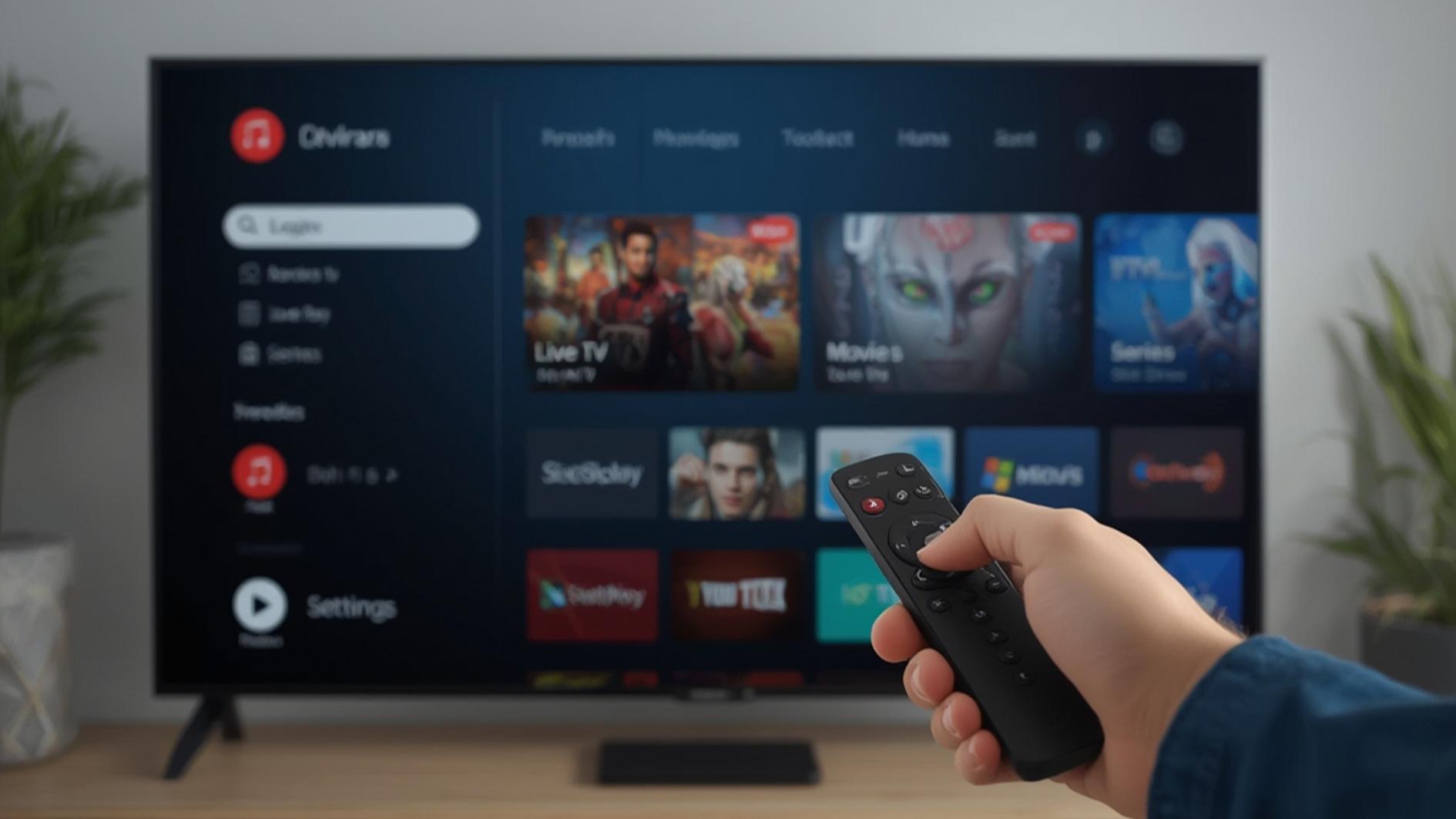
Here’s one of the great things about IPTV streaming: it works on almost everything. Smart TVs from major manufacturers like LG, Samsung, and Sony have apps available. If your TV isn’t smart, you can use a streaming stick like Roku or Fire TV. Older devices can use a dedicated IPTV set-top box provided by your service.
Smartphones and tablets are fully supported too. Whether you’re on Android or iOS, you can download the provider’s app and start watching. Computers and laptops? Yep, just open a browser or run the app. The beauty is that you’re not locked into one specific device like you might be with cable.
Setting up IPTV streaming is refreshingly straightforward. You download the app or install the software, enter your credentials, and you’re ready to go. There’s no waiting for a technician to come to your house, no drilling holes, no messy cables. It’s typically a five-minute process from start to finish.
The main requirement is a stable internet connection. I’d recommend at least 25 Mbps for HD streaming, though many services will work fine at slower speeds if you’re okay with standard definition. If you have multiple people streaming simultaneously, you might want more bandwidth.
Pricing: What Will You Actually Pay?
The cost structure of IPTV streaming is one of its most attractive features. Most providers operate on monthly subscription models, which are significantly cheaper than traditional cable. A basic package might run you $10-$15 per month, while premium packages with more channels or features could hit $25-$40.
What you won’t pay is where things get really interesting. There’s no equipment rental fee, no installation charge, and typically no activation fee. You also won’t deal with hidden taxes that cable companies are famous for adding at the last minute.
Some services offer bundling options where you can add movies, sports packages, or premium channels for a small additional fee. This is more transparent than the cable model, where you’re often forced into packages you don’t want.
It’s worth noting that many IPTV streaming services also offer free trials. This is actually great because it lets you test the service on your equipment before committing. You’ll quickly discover if the performance meets your expectations and if the channel selection works for you.
Getting Started With IPTV Streaming
If you’re interested in trying IPTV streaming, the process is pretty simple. First, choose a provider based on your needs. Research what channels they offer, check user reviews, and see if they have a trial period.
Next, make sure you have compatible equipment. If you’re using a smart TV, verify that the app is available for your specific model. If you’re using a set-top box, ask the provider about the options they support.
Test your internet connection before signing up. Run a speed test on your current internet and make sure it can handle streaming. If you’re getting slow speeds, consider upgrading your plan or talking to your ISP about potential issues.
Once you’ve selected a provider and confirmed compatibility, sign up and download the app or software. Enter your credentials, wait for the app to load your channel guide, and start browsing. Most people are watching their first channel within minutes of signing up.
The Real Pros of IPTV Streaming
Affordability: This is the heavyweight champion of IPTV streaming benefits. You’re paying a fraction of what cable costs, with no surprise fees.
Flexibility: Watch what you want, when you want, on whatever device you want. No locked-in equipment, no mandatory package tiers.
Live TV Access: Unlike many streaming services, IPTV gives you real-time access to live sports, news, and events as they happen.
Ease of Setup: No technician needed, no complicated installation. Download an app and go.
Vast Channel Selection: Most providers offer significantly more channels than typical cable packages.
Portability: Your account follows you anywhere you have internet access.
The Honest Cons You Should Know About
Internet Dependency: This is the big one. If your internet goes down, so does your TV. It’s also subject to buffering if your connection is slow or congested.
Quality Variability: Not all IPTV streaming services are created equal. Some have fantastic uptime and reliability, while others can be spotty. You really need to research specific providers.
Legal Ambiguity: Some IPTV services operate in gray areas legally. While IPTV technology itself is legitimate, some providers source content questionably. Always use reputable services.
Regional Restrictions: Some content might be geo-blocked or unavailable in your area due to licensing agreements.
Support Quality: Customer service varies wildly between providers. Some are responsive; others are nearly impossible to reach.
Account Sharing Limits: Most providers have restrictions on simultaneous streams. You might not be able to watch on three devices at once like you would with traditional cable.
Common Mistakes to Avoid
Don’t jump into an annual subscription right away. Try the monthly option first to make sure the service works well with your setup and that you actually like the channel selection. Switching providers after committing to a year can be frustrating.
Avoid cheap or unknown IPTV providers just because they’re cheaper. The savings aren’t worth dealing with constant buffering, missing channels, or services that shut down without warning. Stick with established providers that have solid reputations.
Don’t rely on cellular data to stream IPTV while traveling. Even if you have a generous mobile plan, streaming video is bandwidth-intensive and can drain your data quickly. Use IPTV streaming primarily on home WiFi.
Don’t ignore your internet speed requirements. If you’re on a legacy internet connection, check with your ISP about upgrading before committing to IPTV. Insufficient bandwidth will be incredibly frustrating.
Finally, don’t share your login credentials outside your immediate household on a regular basis. While occasional sharing might not cause issues, systematic sharing violates most terms of service and can get your account suspended.
Is IPTV Streaming Actually Worth It?
Here’s the honest answer: it depends on your situation. If you’re a cord-cutter looking for an affordable alternative to cable with access to live TV, IPTV streaming can be fantastic. The combination of cost savings, flexibility, and channel variety is hard to beat.
If you have an unreliable internet connection, though, you might find IPTV streaming frustrating. Similarly, if your internet provider has data caps, heavy streaming could push you toward overage fees or throttling.
For most people, especially those with solid internet connections and flexibility in their viewing habits, IPTV streaming delivers real value. You’re getting hundreds of channels, live sports access, on-demand content, and movies—all for less than you’d pay for basic cable.
If you want to explore more options in this space, you might also check out quality alternatives like https://tv4one.com, which offers another perspective on IPTV solutions.
Frequently Asked Questions About IPTV Streaming
Is IPTV streaming legal?
IPTV technology itself is completely legal. However, the legality depends on where you’re getting your content. Reputable IPTV providers who legally license their content are operating within the law. Some services, however, distribute content illegally. Always verify that your provider is legitimate and properly licensed.
What internet speed do I need for IPTV streaming?
For standard HD streaming, 15-25 Mbps is ideal. For 4K if available, you’d want 50+ Mbps. However, the actual speed needed depends on how many devices are streaming simultaneously. If just one person is watching, even 10 Mbps can work adequately, though 25 Mbps is more comfortable.
Can I record shows with IPTV streaming?
Many IPTV streaming services offer a cloud recording feature or catch-up TV functionality, allowing you to watch programs that aired recently. Traditional DVR recording capability varies by provider. Always ask about this feature when evaluating services.
How reliable is IPTV streaming compared to cable?
Good IPTV services are quite reliable, though they’re technically more dependent on your internet connection than cable. A quality provider with redundancy will be very stable. However, if your ISP has issues or your WiFi is weak, you’ll experience disruptions more easily than cable users would.
Can I use IPTV streaming if I travel a lot?
Absolutely, though there are limitations. Most services work fine when you’re traveling if you have good WiFi access. Some providers restrict streaming outside your home country or region for licensing reasons. Check your provider’s travel policies before relying on IPTV streaming while traveling internationally.
What’s the difference between IPTV streaming and other streaming services like Netflix?
The main difference is content type and delivery. IPTV streaming offers live TV channels and real-time content, while services like Netflix focus on on-demand streaming of specific shows and movies. IPTV is more like traditional cable; Netflix is more like an à la carte video rental service.
Final Verdict: Is IPTV Streaming Right for You?
IPTV streaming represents a genuine evolution in how we access television. It’s not just a streaming service—it’s a complete replacement for traditional cable that works on modern principles: flexibility, affordability, and freedom of choice.
If you’re tired of paying $100+ per month for cable with channels you don’t watch, IPTV streaming deserves your attention. The technology works, the prices are right, and the selection is genuinely impressive. What you’re getting is the convenience of modern streaming combined with the comprehensive content library of traditional TV.
The main caveat is that you need a reliable internet connection and you need to choose your provider carefully. Not all IPTV streaming services are equal—some are fantastic, and others are problematic. Do your research, try a free trial if available, and make sure it integrates smoothly with your existing devices.
For most households looking to cut the cord while maintaining access to live TV, sports, and news, IPTV streaming is genuinely worth trying. You might find that it’s exactly what you’ve been looking for—comprehensive television without the cable company overhead.

Hi, I’m Baker Magil, an entrepreneur based in the United States and the founder & CEO of StreamsReview.com — a platform dedicated to bringing honesty and clarity to the world of IPTV and streaming services.
A few years ago, I was just like many streaming enthusiasts: searching for a reliable way to watch my favorite channels online. I tried countless IPTV services, each promising HD quality and thousands of channels, yet most left me frustrated with buffering, poor support, and wasted money.
Then, one night, during a big game, yet another service failed me. Instead of giving up, I realized there had to be a better way. I began testing IPTV services myself — comparing features, performance, and customer experience — to uncover which providers truly delivered and which fell short.
What started as a personal quest quickly grew into StreamsReview.com. Today, it’s a trusted platform where users can discover the best streaming services through real testing, transparent reviews, and detailed analysis — helping people make informed choices without the frustration I once faced.