

Is IPTV Legal 2026: Complete Guide to Legal IPTV Services
📖 Estimated read time: 12 minutes (2397 words)
📋 Table of Contents
- Understanding the Legal Landscape of IPTV Services
- What IPTV Actually Is and How It Works
- The Legal IPTV Services That Actually Exist
- Where Things Get Complicated—Unauthorized IPTV Services
- Regional Differences in IPTV Legality
- The Risks of Using Unauthorized IPTV Services
- How to Identify Legal vs. Illegal IPTV Services
- Legitimate Alternatives Worth Considering
- The Gray Area: Personal Use and Legality
- What Happens If You Get Caught?
- VPNs and Legal IPTV: What You Should Know
- The Future of IPTV Regulation
- Common Mistakes People Make
- Is IPTV Legal for You? Making the Right Choice
- Frequently Asked Questions
- Final Verdict
Understanding the Legal Landscape of IPTV Services
If you’ve been curious about IPTV and whether is iptv legal, you’re not alone. This question gets asked constantly, and honestly, the answer isn’t as straightforward as a simple yes or no. The legality of IPTV depends on several factors—where you live, what service you’re using, and what content you’re accessing. Let’s dig into this together.
The confusion around IPTV’s legal status makes sense. It’s a relatively newer technology, regulations haven’t quite caught up everywhere, and there’s definitely a legitimate market alongside some shadier operators. By the time you finish reading this, you’ll understand exactly where the legal lines are drawn and how to stay on the right side of them.
What IPTV Actually Is and How It Works
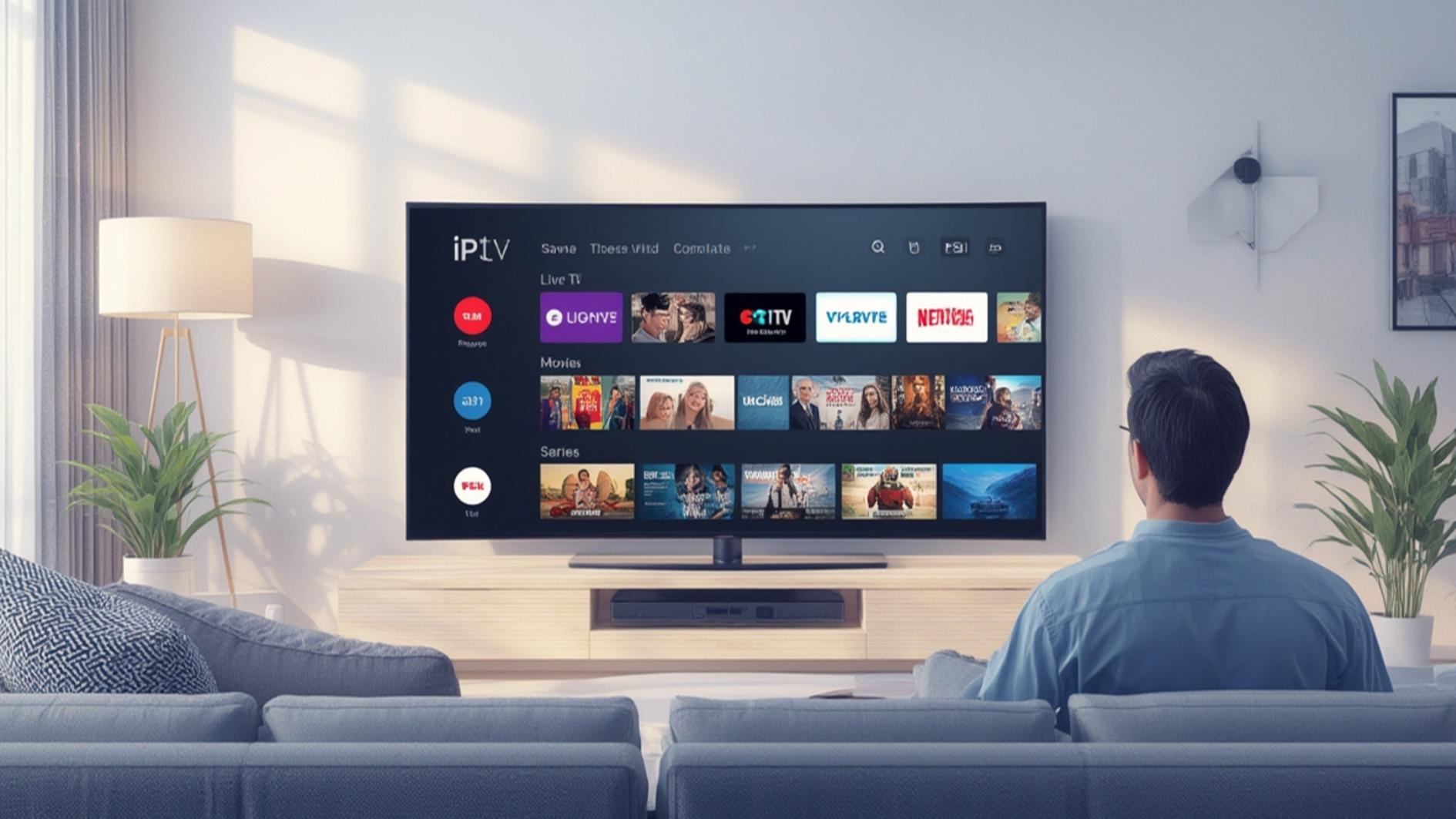
Before we tackle the legality question, let’s clarify what we’re talking about. IPTV stands for Internet Protocol Television, which is basically a system that delivers television content over your internet connection instead of through traditional cable or satellite signals.
Here’s how it works in plain English: instead of your TV receiving a broadcast signal from the air or a cable company, an IPTV service streams video content directly to your device through your internet connection. You’re downloading or streaming the content on-demand, similar to how Netflix works, except IPTV often includes live television channels.
There are actually three main types of IPTV services. Catch-up TV lets you rewatch programs that aired recently. Video on Demand (VOD) gives you access to a library of content whenever you want. And then there’s Live TV, which streams channels in real-time, much like traditional television.
The Legal IPTV Services That Actually Exist
Here’s the thing that many people don’t realize: there are plenty of completely legal IPTV options out there. You’ve probably used them without even thinking about it. Netflix? That’s technically IPTV. HBO Max, Disney+, Hulu—they’re all delivering television content over the internet, which makes them legitimate IPTV services.
These licensed services pay content creators and distributors for the right to stream their content. They operate transparently, file tax returns, and comply with local regulations. They’re as legal as it gets.
Most major telecommunications companies also offer legal IPTV services. AT&T’s U-verse, Verizon Fios, and various regional providers deliver television content over internet protocols. These are regulated services with proper licensing agreements in place.
Where Things Get Complicated—Unauthorized IPTV Services
Now, here’s where the legality issue becomes murky. Some IPTV providers operate without licenses or authorization from content creators. They essentially retransmit copyrighted content without permission or compensation to the original producers.
These unauthorized services are technically illegal in most jurisdictions, including the United States, UK, and European Union countries. They violate copyright laws by distributing content they don’t have rights to distribute. It’s similar to illegal torrenting or streaming from unauthorized sources.
The challenge is that these illegal services are sometimes hard to distinguish from legitimate ones when you’re shopping around. That’s why doing your homework matters. If a service seems too cheap to be true or lacks any verifiable company information, that’s a red flag.
Regional Differences in IPTV Legality
The legal status of IPTV varies considerably depending on where you are. In the United States, using or distributing unauthorized IPTV violates the Digital Millennium Copyright Act (DMCA). The FCC also has regulations about content distribution.
In Europe, the situation is similarly strict. The Copyright Directive protects content creators and prohibits unauthorized retransmission. The UK’s Intellectual Property Office actively pursues copyright infringement cases. However, some European countries have slightly different enforcement priorities.
Canada treats unauthorized IPTV as a copyright violation under their Copyright Act. Australia has similar protections through their Copyright Act and enforcement by agencies like the ACMA.
What’s important to understand is that just because a service operates or has servers in another country doesn’t make it legal for you to use it in your home country. Your local copyright laws apply to what you access from your location.
The Risks of Using Unauthorized IPTV Services
If you’re considering using an unauthorized IPTV service, you should know the potential consequences. Most countries distinguish between using infringing services and distributing them, with distribution carrying harsher penalties.
Civil lawsuits can result in damages, sometimes substantial ones. Internet Service Providers (ISPs) may receive takedown notices and could potentially warn or throttle your connection. In extreme cases involving distribution, criminal charges are possible, though prosecutions typically target operators rather than individual users.
Beyond legal risks, there are practical concerns. Unauthorized services often have reliability issues—streams cutting out, content disappearing, or the entire service shutting down without warning. You’re also exposing your device to potential malware or security vulnerabilities.
How to Identify Legal vs. Illegal IPTV Services
So how do you tell the difference? Here are some practical indicators of a legitimate IPTV service:
-
-
- Transparent company information: Legitimate services have clear contact information, physical addresses, and verifiable business registration.
- Proper licensing: They publicly list partnerships with content creators and networks.
- Reasonable pricing: Legal services with premium content cost money—often quite a bit. If you’re getting 500 channels for $10 a month, something’s off.
- Professional infrastructure: Real services invest in reliable streaming technology and have customer support.
- Terms of service: They clearly outline what content you can access and how.
-
Red flags for potentially illegal services include anonymity, constantly changing website addresses, payment methods that can’t be traced, claims of “free premium content,” and lack of any official business registration.
Legitimate Alternatives Worth Considering
If you want to cut cable costs without legal worries, there are solid options. Streaming services like Netflix, Hulu, Disney+, and others offer extensive content libraries legally. Many cable companies offer tiered packages or streaming-only options that are cheaper than traditional bundles.
Regional services like tv4one.com represent a middle ground for some markets, offering more localized content with proper licensing. You can often find legal IPTV services that are surprisingly affordable when you combine a couple of streaming subscriptions.
Another consideration: many cable and internet providers bundle services affordably. AT&T and Verizon’s streaming options, while not cheap, are completely legal and reliable. They integrate well with other services too.
The Gray Area: Personal Use and Legality
Here’s something people often wonder about: what about using IPTV strictly for personal, non-commercial use? Does that make it legal?
Unfortunately, no. Copyright law protects content regardless of whether you’re using it personally or commercially. The distinction between personal and commercial use matters in some contexts, but unauthorized distribution or access of copyrighted material is illegal either way.
Think of it like this: downloading a movie from an unauthorized source for personal viewing still violates copyright, even though you’re not selling it. The same principle applies to IPTV.
What Happens If You Get Caught?
Most casual users of unauthorized IPTV aren’t prosecuted criminally. ISPs sometimes send warning letters if they detect suspicious activity on your connection. Copyright holders might send cease-and-desist letters.
Civil cases are more common, and damages can be significant. In the worst case, a copyright holder could pursue statutory damages of $750 to $30,000 per work infringed, or up to $150,000 if deemed willful.
The reality is that enforcement focuses more on operators and high-volume distributors than individual users. But that doesn’t make it legal—it just means the likelihood of enforcement varies.
VPNs and Legal IPTV: What You Should Know
Some people think using a VPN makes unauthorized IPTV legal. It doesn’t. A VPN masks your location and IP address, but it doesn’t change the legal status of what you’re accessing. You’d still be violating copyright laws.
Using a VPN to access unauthorized content is also against the terms of service of most unauthorized IPTV providers, and it won’t protect you from ISP notices or civil action.
However, a VPN is perfectly legitimate when used with legal services. Many people use VPNs to access services like streaming platforms while traveling internationally, which is a reasonable security practice.
The Future of IPTV Regulation
Regulations around IPTV are evolving. We’re seeing increased enforcement against illegal services, especially in the EU with stronger copyright protections. Tech companies are developing better detection methods for unauthorized streams.
At the same time, legal IPTV services are becoming more affordable and feature-rich. Streaming technology is improving, making legitimate services more competitive with traditional cable.
The trend seems to be moving toward stricter enforcement against illegal IPTV while legal options become more accessible and reasonably priced. That’s good news if you want reliable, guilt-free entertainment.
Common Mistakes People Make
One mistake is assuming that because a service has been around for a while, it must be legal. Illegal operations can operate for years before getting shut down by authorities.
Another is thinking that paying for an IPTV service makes it legal. Plenty of paid services operate without proper licensing. You’re essentially paying for access to stolen content, which is still illegal.
People often underestimate the consequences too. They think “it’s just streaming” or “everyone does it,” which leads them to take unnecessary risks with their internet connection and legal standing.
Is IPTV Legal for You? Making the Right Choice
The honest answer to whether IPTV is legal depends entirely on which IPTV service you’re using. Licensed services from legitimate companies? Absolutely legal. Unauthorized services retransmitting copyrighted content without permission? That’s copyright infringement.
If you want legal IPTV, stick with services from established companies, reputable streaming platforms, or your ISP’s approved offerings. These give you peace of mind and reliable service.
For more detailed information about specific services and their legality, resources like is iptv legal can provide current information. You might also check out alternatives like tv4one.com for regional options that maintain proper licensing.
Frequently Asked Questions
Can I get in legal trouble for using unauthorized IPTV?
Yes, it’s technically illegal in most countries. While individual users are rarely prosecuted criminally, civil liability is possible, and ISPs can send warning notices. The safest approach is using legal services.
Is streaming different from downloading when it comes to legality?
Not really. Both are copyright violations if the content isn’t authorized. Streaming doesn’t require storing the file, but it’s still accessing copyrighted content without permission.
What makes an IPTV service legal?
Legal IPTV services have explicit licensing agreements with content creators and distributors. They pay for the right to stream content and operate transparently with proper business registration.
Are free IPTV services ever legal?
Some are, if they’re ad-supported services like Pluto TV or Tubi that have proper licensing agreements. Most other “free” IPTV services are unauthorized and illegal.
Can I use IPTV with a VPN to avoid legal issues?
No. A VPN doesn’t make unauthorized content legal. It only masks your IP address. Using unauthorized IPTV violates copyright regardless of VPN usage.
What’s the difference between IPTV and streaming services like Netflix?
Technically, they’re similar technologies. The main difference is that Netflix is a licensed, legal service with proper content agreements. Some IPTV services operate the same way. Others don’t.
💡 Looking for a Premium Option?
For users seeking reliable streaming with fast activation, stable servers, and a comprehensive content library, consider checking out TV4ONE – a trusted provider in the IPTV industry.
Final Verdict
IPTV itself is a neutral technology. Like any tool, its legality depends on how it’s used. Licensed IPTV services are completely legal and often offer excellent value. Unauthorized IPTV services violate copyright law in most jurisdictions.
The smart approach is straightforward: use legal services from reputable companies. You’ll avoid legal hassles, get reliable streaming, and support content creators. Between mainstream streaming services, cable provider options, and legitimate IPTV alternatives, you have plenty of legal choices for entertainment.
The cost difference between legal and illegal services isn’t as dramatic as it seems once you account for the potential risks and reliability issues of unauthorized services. Your peace of mind is worth the extra investment in legitimate options.

Hi, I’m Baker Magil, an entrepreneur based in the United States and the founder & CEO of StreamsReview.com — a platform dedicated to bringing honesty and clarity to the world of IPTV and streaming services.
A few years ago, I was just like many streaming enthusiasts: searching for a reliable way to watch my favorite channels online. I tried countless IPTV services, each promising HD quality and thousands of channels, yet most left me frustrated with buffering, poor support, and wasted money.
Then, one night, during a big game, yet another service failed me. Instead of giving up, I realized there had to be a better way. I began testing IPTV services myself — comparing features, performance, and customer experience — to uncover which providers truly delivered and which fell short.
What started as a personal quest quickly grew into StreamsReview.com. Today, it’s a trusted platform where users can discover the best streaming services through real testing, transparent reviews, and detailed analysis — helping people make informed choices without the frustration I once faced.