
Catch Up IPTV 2026: Best Features, Setup & Pricing Guide
📖 Estimated read time: 14 minutes (2607 words)
📋 Table of Contents
- Understanding Catch Up IPTV: Everything You Need to Know
- What Is Catch Up IPTV, Exactly?
- How Does Catch Up IPTV Actually Work?
- Key Features and Benefits of Catch Up IPTV
- Device Compatibility and Setup Requirements
- Pricing and Overall Value Proposition
- Getting Started With Catch Up IPTV
- Real Honest Pros and Cons
- Common Mistakes to Avoid
- Is Catch Up IPTV Actually Worth It?
- Frequently Asked Questions About Catch Up IPTV
- The Final Verdict
Understanding Catch Up IPTV: Everything You Need to Know
If you’ve been hearing about catch up IPTV and wondering what all the fuss is about, you’re not alone. The streaming landscape has changed dramatically over the last few years, and more people are ditching traditional cable in favor of more flexible viewing options. But here’s the thing—not all streaming solutions are created equal, and catch up IPTV sits in this interesting middle ground that’s worth exploring.
In this guide, I’m going to walk you through what catch up IPTV actually is, how it works in practice, and whether it’s the right choice for your household. We’ll cover everything from setup to pricing to the honest trade-offs you’ll need to consider. By the end, you’ll have a solid understanding of whether this technology deserves a spot in your entertainment setup.
What Is Catch Up IPTV, Exactly?
Let me break this down simply. IPTV stands for Internet Protocol Television, which is just a fancy way of saying TV delivered through your internet connection rather than through traditional broadcast signals or cable lines. Think of it like the difference between watching Netflix and watching cable—one comes through the internet, one doesn’t.
Now, “catch up” refers to the specific feature where you can watch shows that have already aired. It’s basically on-demand access to recent programming, typically going back anywhere from a few days to a few weeks depending on the provider. So instead of being locked into a broadcast schedule, you get to pick when you want to watch something.
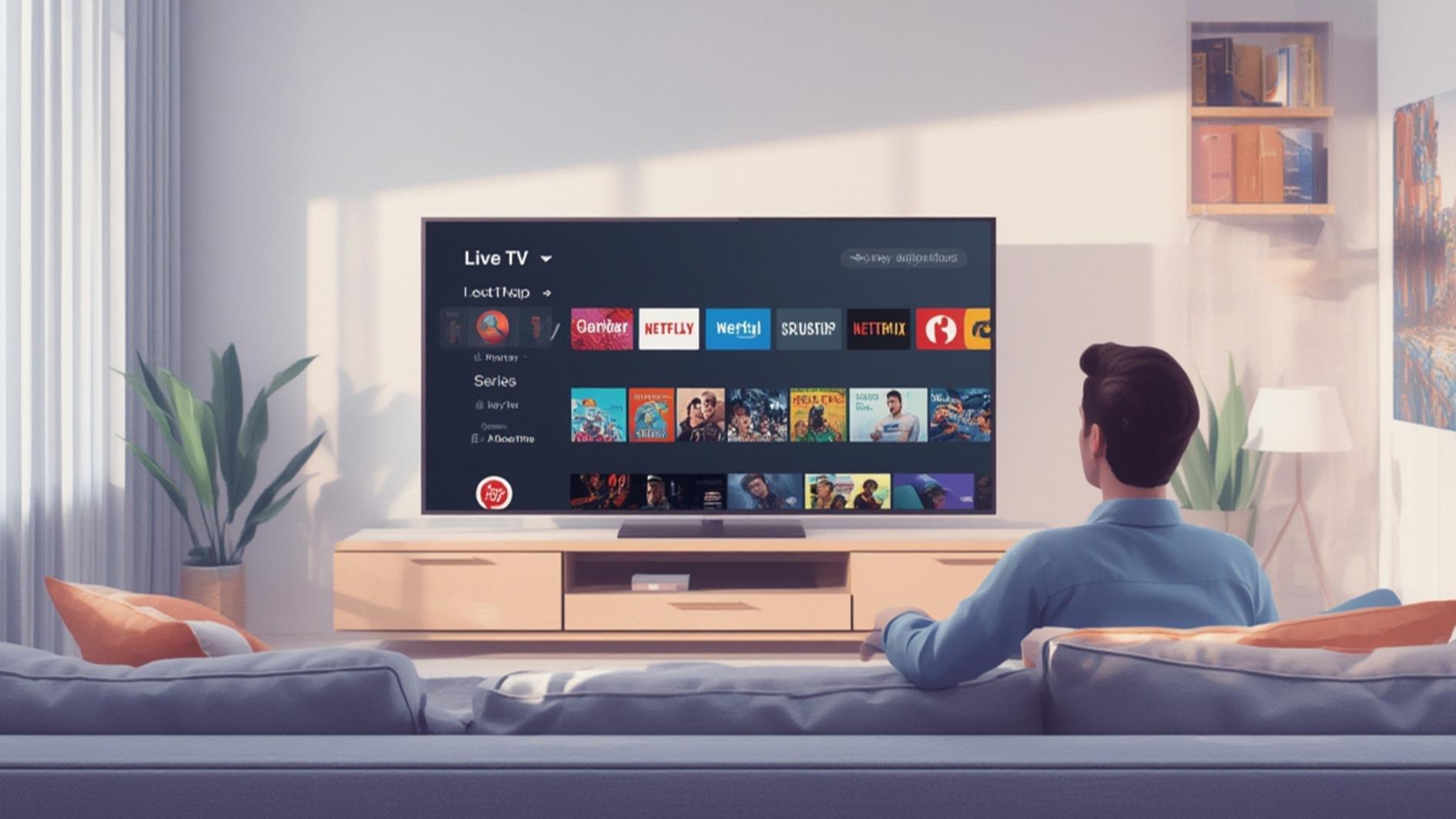
The beauty of catch up IPTV is that it combines live TV with this flexibility. You’re not just getting on-demand content—you’re getting access to live channels plus the ability to rewind and catch episodes you missed. It’s kind of like having a DVR on steroids, except it’s cloud-based and accessible from anywhere.
How Does Catch Up IPTV Actually Work?
Here’s where it gets interesting. When you subscribe to a catch up IPTV service, you’re essentially getting access to a streaming platform that receives broadcast signals, converts them to digital streams, and sends them to your devices over the internet. It’s more complex than it sounds, but the user experience is surprisingly straightforward.
The “catch up” functionality works because the service records or maintains a buffer of recent broadcasts. When you want to rewatch something, you’re pulling from that stored content rather than trying to rebroadcast live TV. This is why there’s usually a time limit on what you can access—they can’t store everything forever from a technical and legal standpoint.
Most catch up IPTV services use what’s called an electronic program guide (EPG) to organize everything. Think of it as a digital TV guide on steroids. You scroll through, see what’s available now and what aired recently, and click what you want to watch. It’s not rocket science, but it’s definitely more intuitive than traditional cable menus.
Key Features and Benefits of Catch Up IPTV
One of the biggest advantages is flexibility. You’re not tied to broadcast schedules anymore. Miss your favorite show at 8 PM? No problem—catch it whenever you want over the next week or so. This alone is a game-changer for people with unpredictable schedules or those who just hate commercials interrupting at inconvenient moments.
Another solid benefit is that catch up IPTV typically costs less than traditional cable. You’re not paying for all those channels you never watch, and you’re avoiding the price creep that cable companies seem to love. Most services offer competitive pricing, especially when you compare them to a full cable package.
Multi-device access is another winner. Want to watch on your TV at home, then continue on your tablet during lunch? Most catch up IPTV services support this seamlessly. You get that modern streaming experience without being locked to one screen.
There’s also the international content angle. Many catch up IPTV providers offer programming from multiple countries and regions. If you’re interested in British TV, European sports, or international news, you’ve got options that traditional cable simply doesn’t offer as readily.
Device Compatibility and Setup Requirements
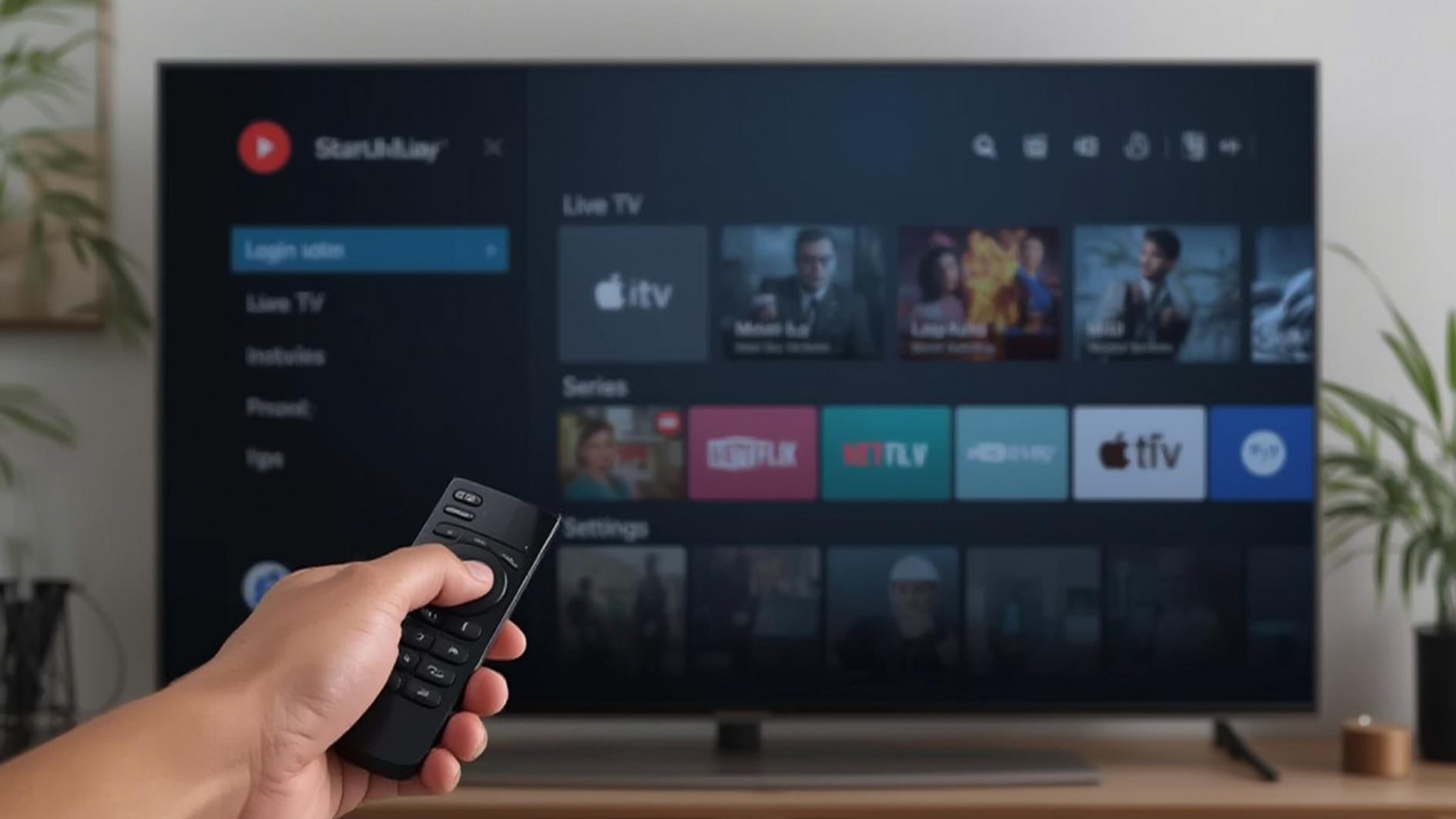
Here’s something I really appreciate about catch up IPTV—it’s pretty device-agnostic. You can access it on smart TVs, tablets, phones, laptops, streaming boxes, and even some older devices with the right setup. Android TV devices work great, Apple TV has solid support, and Roku boxes are generally compatible depending on the provider.
The basic requirements are simple: a reliable internet connection and a compatible device. That’s it. You don’t need special hardware or technician visits like you might with cable. The internet connection is important though—you’ll want at least 10-15 Mbps for HD streaming, more if you’ve got multiple devices streaming simultaneously in your household.
Setup is usually straightforward. You download an app, log in with your credentials, and you’re watching within minutes. Some services offer browser-based access too, so you don’t even need an app installed. It’s refreshingly simple compared to the traditional cable installation experience.
One thing to note: some older devices might struggle with the latest streaming codecs or security requirements. Before committing to a service, check their compatibility list carefully. Most quality providers maintain updated documentation about which devices work best.
Pricing and Overall Value Proposition
Pricing varies depending on what you’re looking for and which provider you choose. catch up iptv services typically range from affordable entry-level packages to more premium options with additional channels and features. You might see pricing anywhere from $10-15 monthly on the budget end to $40-60 for comprehensive packages.
What makes pricing interesting is the value calculation. With catch up IPTV, you’re often getting live TV plus catch-up functionality plus on-demand content, all bundled together. Compare that to paying separately for cable, a streaming service, and a DVR rental, and you start to see where the savings come from.
Some providers offer trial periods, which is great for testing whether the service actually meets your needs before committing financially. I’d always recommend taking advantage of these trials—what works for your neighbor might not work for you depending on what you like to watch.
Hidden costs are relatively rare with catch up IPTV, but you should always check. Some services have package tiers, and upgrading means additional monthly charges. Factor in your internet bill too—if your current connection is marginal, upgrading to faster speeds might be necessary.
Getting Started With Catch Up IPTV
First things first: choose your provider. Research reviews, check what channels are available in your region, and see if they offer a trial period. You want to make sure they actually carry the content you care about watching.
Next, check your internet situation. Run a speed test to make sure you’ve got the bandwidth to handle streaming. If you’re borderline, you might want to contact your ISP about upgrading before you commit. There’s nothing worse than paying for a streaming service only to have constant buffering issues.
Once you’ve picked a provider and verified your internet, sign up and download their app or access their service through a browser. Create your account, set up your profile, and you’re ready to start exploring. Most services will have a recommended list of popular content to get you oriented.
Take time to explore the interface and settings. See how the EPG works, figure out how to access catch-up content, and customize your preferences. Spending 15 minutes getting comfortable with the platform usually saves frustration later.
Real Honest Pros and Cons
The Pros: Flexibility is the big one. You’re no longer bound by broadcast schedules. Pricing is typically reasonable, and you get more control over what you watch and when. Multi-device support means you can watch anywhere. International content access is often better than traditional cable. Setup is straightforward, and there are usually no installation fees or technician visits required.
The Cons: Internet dependency is a significant factor. If your connection goes down, so does your TV. Quality can be inconsistent depending on network congestion and your internet speeds. Some providers have limited channel selections compared to full cable packages. The catch-up window is usually limited—you can’t go back indefinitely. There’s also the question of legitimacy with some providers, so you need to be careful about which services you choose.
Another consideration: you might miss the integration some people have with their phone systems or home automation. Not all catch up IPTV services integrate seamlessly with smart home ecosystems, though this is improving.
Common Mistakes to Avoid
Don’t subscribe without checking what’s actually available. Just because a service exists doesn’t mean it carries all the channels you want. Cross-reference channel lists before committing your money.
Avoid unreliable providers. There are legitimate catch up IPTV services out there, but there are also sketchy ones. Stick with established providers that have transparent pricing, good customer support, and clear terms of service. Alternatives like https://tv4one.com often provide more reliable service than fly-by-night operations.
Don’t overlook your internet situation. Streaming-quality TV requires a solid connection. If you’ve got DSL from 2009, you’re going to have problems. Upgrade your internet first if needed.
Skip services that won’t give you a trial. If a provider refuses to let you test their service before paying, that’s a red flag. Legitimate companies are confident enough to let you try before you buy.
Don’t cheap out on your device if you’re going to be doing this regularly. A $100 streaming box is worth it if you’re going to be using this service daily. The experience difference between a quality device and a bargain-basement option is noticeable.
Is Catch Up IPTV Actually Worth It?
Here’s my honest take: it depends entirely on your situation. If you’re a heavy cord-cutter who values flexibility and wants live TV without the cable baggage, catch up IPTV can be genuinely excellent. The combination of live channels and catch-up functionality offers something that pure streaming services don’t, and the cost savings compared to cable are real.
However, if you’re someone who needs absolute reliability and has zero tolerance for potential buffering, or if you’re deeply invested in premium cable sports packages with exclusive contracts, you might find the compromises frustrating. Similarly, if your internet connection is mediocre, you’ll have a bad time no matter how good the service is.
For most people though, catch up IPTV represents a solid middle ground. It’s more affordable than cable, more complete than standalone streaming services, and more reliable than the wild west of free streaming options. Quality providers (and yes, they do exist—https://tv4one.com is worth investigating as one option) can provide a legitimate television experience.
The real question is whether the specific provider you’re considering actually serves your needs. That’s why trials are so important—they let you answer this question with your own experience rather than guessing.
Frequently Asked Questions About Catch Up IPTV
Q: Is catch up IPTV legal?
A: Yes, when you use legitimate, licensed providers. The legality depends on the provider having proper licensing agreements for the content they’re streaming. Stick with established services, not random apps you find on the internet.
Q: How much internet speed do I really need?
A: For HD streaming, you want at least 10-15 Mbps. For 4K, aim for 25 Mbps or higher. These are per-stream numbers, so multiply them by how many people might watch simultaneously in your household.
Q: Can I watch on multiple devices at once?
A: Usually yes, but it depends on your plan. Some providers limit simultaneous streams (often 2-4 at once). Check the terms before subscribing if this matters to you.
Q: What happens if my internet goes down?
A: You can’t watch anything. IPTV requires a live connection. This is why having a reliable ISP matters more with streaming than with traditional cable.
Q: How far back can I go with catch-up content?
A: Typically 7-14 days depending on the provider and the specific channel. Some premium channels might offer longer windows, but there’s usually a limit.
Q: Is it better than regular cable?
A: For price and flexibility, usually yes. For reliability and comprehensive sports coverage, traditional cable might still edge it out depending on what you watch.
The Final Verdict
Catch up IPTV represents a legitimate evolution in how we consume television. It’s not perfect—nothing is—but it addresses real problems that millions of people have with traditional cable. The combination of live TV, catch-up functionality, and reasonable pricing creates something that’s actually useful for modern life.
If you’re considering making the switch, do it thoughtfully. Test a service during their trial period. Make sure your internet can handle it. Verify that the channels and content you care about are actually available. Don’t get drawn into the cheapest option if it comes from a provider with terrible reviews.
The technology is solid, the economics make sense, and the experience is generally positive when you choose the right provider. Whether it’s right for you specifically depends on your individual situation, but it’s absolutely worth serious consideration if you’re frustrated with traditional cable pricing and inflexibility.
The TV landscape is changing, and catch up IPTV is a meaningful part of that change. Give it a shot—you might find it’s exactly what you’ve been looking for.

Hi, I’m Baker Magil, an entrepreneur based in the United States and the founder & CEO of StreamsReview.com — a platform dedicated to bringing honesty and clarity to the world of IPTV and streaming services.
A few years ago, I was just like many streaming enthusiasts: searching for a reliable way to watch my favorite channels online. I tried countless IPTV services, each promising HD quality and thousands of channels, yet most left me frustrated with buffering, poor support, and wasted money.
Then, one night, during a big game, yet another service failed me. Instead of giving up, I realized there had to be a better way. I began testing IPTV services myself — comparing features, performance, and customer experience — to uncover which providers truly delivered and which fell short.
What started as a personal quest quickly grew into StreamsReview.com. Today, it’s a trusted platform where users can discover the best streaming services through real testing, transparent reviews, and detailed analysis — helping people make informed choices without the frustration I once faced.