
Perfect Player Setup 2026: Complete Review & Setup Guide
📖 Estimated read time: 11 minutes (2068 words)
📋 Table of Contents
- What Is Perfect Player and How Does It Actually Work?
- Standout Features and Why Users Love It
- Device Compatibility: Where Can You Use It?
- Pricing and the Value Proposition
- Getting Started: Your Step-by-Step Perfect Player Setup
- The Honest Truth: Pros and Cons
- Common Mistakes to Avoid
- Is It Worth the Effort?
- Frequently Asked Questions (FAQ)
- Final Verdict
If you have been diving into the world of digital streaming for more than a few days, you have likely heard the name “perfect player setup” pop up in forums, subreddits, and Telegram groups. It is often hailed as the gold standard for those who want a clean, minimalist, and highly functional way to manage their media playlists. However, as many beginners soon discover, opening the app for the first time can be a bit intimidating. It doesn’t come with pre-loaded content; it’s a blank canvas waiting for your touch.
The beauty of a perfect player setup lies in its versatility. It is not just about watching TV; it’s about creating a customized viewing environment that rivals high-end cable boxes without the clutter or the hefty monthly fees. In this guide, I’m going to walk you through everything you need to know—from the first click in the settings menu to optimizing your EPG (Electronic Program Guide) so you never miss a kickoff or a season finale again.
What Is Perfect Player and How Does It Actually Work?
At its core, perfect player setup is a media player, not a content provider. Think of it like a high-quality DVD player from the 2000s; the player itself is great, but it won’t do anything until you put a disc in it. In the modern streaming world, those “discs” are M3U playlists and EPG URLs provided by your chosen service.
The app works by “scraping” or reading the data provided in these links. It then organizes the channels into categories, fetches the program schedules, and presents them in an interface that is specifically designed to be used with a standard TV remote. It uses hardware acceleration to ensure that switching between channels is snappy and that the video playback remains smooth even on lower-end hardware.
Standout Features and Why Users Love It
Why do people gravitate toward this specific app when there are dozens of others on the Google Play Store? It comes down to the “no-nonsense” approach. While other apps try to be fancy with movie posters and background trailers, this one focuses on the grid and the stream on perfect player setup.
-
-
- Full OSD (On-Screen Display): The interface is highly customizable. You can adjust the transparency, colors, and the way the channel list behaves when you are scrolling.
- EPG Support: It supports XMLTV and JTV formats. This allows you to see what is playing now and what is coming up next across hundreds of channels.
- Multi-Playlist Management: You aren’t limited to just one source. You can bring in multiple playlists and toggle between them or merge them into one master list.
- Local Media Playback: Beyond streaming, you can use it to watch videos stored on your home server (NAS) or a USB drive plugged into your device.
- Plugin Support: For the more advanced users, there are plugins available that can expand its functionality even further.
-
Device Compatibility: Where Can You Use It?
The perfect player setup is primarily designed for the Android ecosystem. This makes it an incredibly popular choice for users with Amazon Fire TV Sticks, Nvidia Shields, and Android TV boxes like the Chromecast with Google TV. Because it is so lightweight, it runs exceptionally well even on the older Fire Stick Lite or basic budget boxes.
While there isn’t a native version for LG’s webOS or Samsung’s Tizen, many users bridge this gap by simply plugging a cheap streaming dongle into their high-end TV. If you are a Windows user, there is a version available that works great on PCs, making it a solid choice for those who like to watch TV while working at their desks.
Pricing and the Value Proposition
Is it free? Yes and No. The base version of the app is free to download and use. This version includes all the core features you need to get a stream up and running. However, there is a “Full” or “Pro” version available via an in-app purchase.
The paid version usually removes ads from the menu screens (though ads never play during your actual video stream) and unlocks a few extra customization options. In my experience, the cost is minimal—usually the price of a coffee—and it’s a one-time payment. Supporting developers who keep their apps updated and bug-free is always a smart move in the long run.
Getting Started: Your Step-by-Step Perfect Player Setup
Ready to get your hands dirty? Let’s walk through the initial configuration. Before you start, make sure you have your M3U URL and your EPG URL handy. Your service provider usually sends these in a “Welcome” email.
-
-
- Install the App: Download it from the Google Play Store or sideload the APK if you are using an Amazon Fire TV device.
- Access Settings: When you open the app, look for the gear icon or the “Settings” text in the top navigation bar.
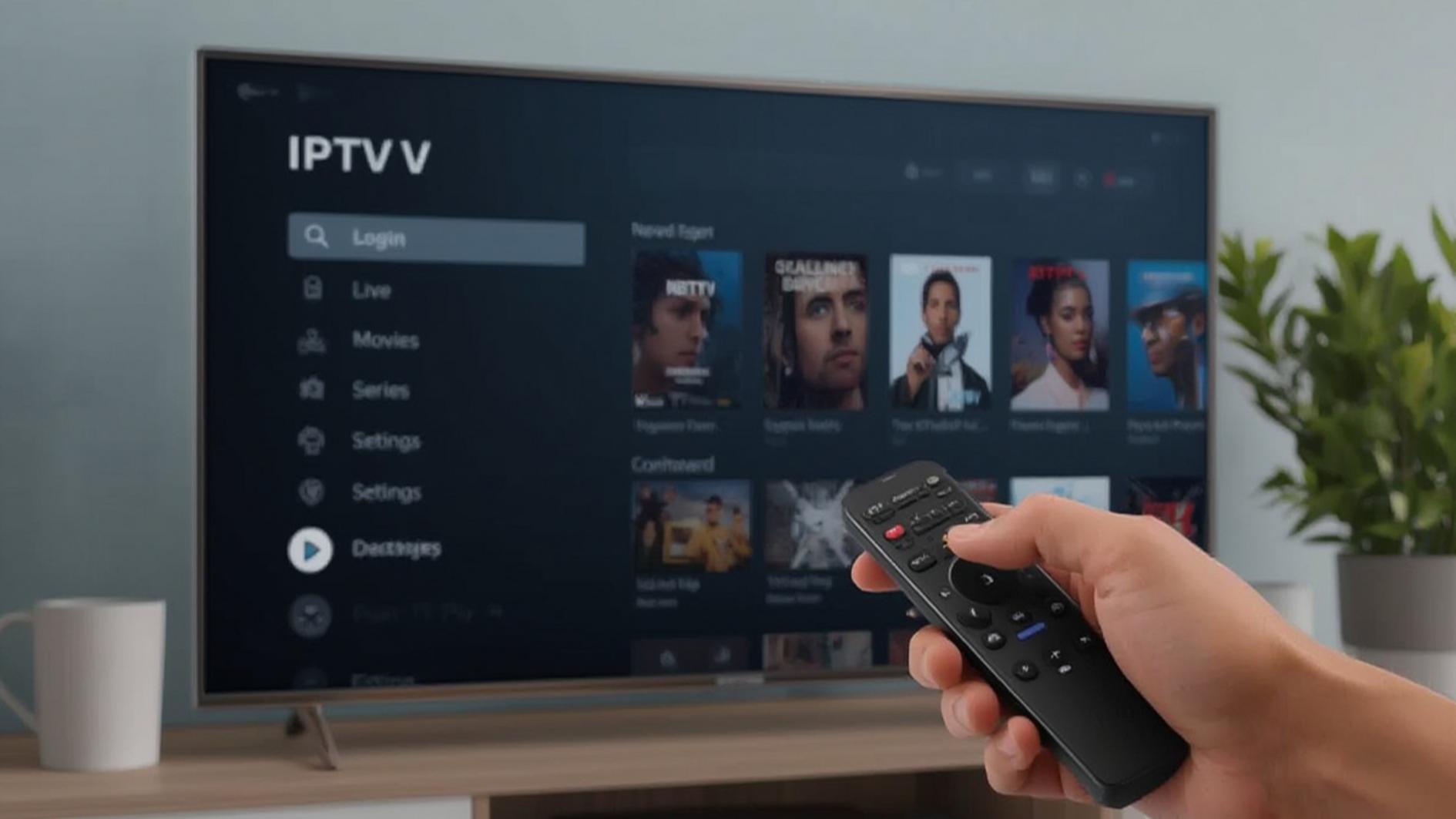
- General Settings: Go to “General” and then click on “Playlist.” Paste your M3U URL here. If you want to give it a name like “My Home TV,” you can do that in the field below the URL.
- Add Your EPG: Back in the General menu, select “EPG.” Paste your XMLTV URL here. Ensure you select “Download on every update” to keep your schedule current.
- GUI Settings: This is where the magic happens. I recommend changing the “View Mode” to “List” or “Table” for the most intuitive experience.
- Playback: Go to “Playback” and ensure “Hardware” or “Hardware+” is selected under the decoder settings. This uses your device’s actual chip to process the video, leading to much better performance.
-
The Honest Truth: Pros and Cons
I wouldn’t be a helpful reviewer if I didn’t point out the flaws. No app is perfect, despite the name.
The Pros:
It is incredibly fast. There is almost zero “bloat” in the code, meaning it doesn’t crash often. The ability to customize the layout is superior to many other “free” players. It also handles large playlists (some with 20,000+ items) much better than competitors that tend to lag or hang during the loading process.
The Cons:
The learning curve is the biggest hurdle. It isn’t “plug and play.” You have to manually type in long URLs (which is a pain with a TV remote), and the menu system can feel a bit dated compared to modern apps like TiviMate. Also, it doesn’t have a built-in “Catch-up” feature that is as intuitive as some of its rivals.
Common Mistakes to Avoid
I have seen people struggle with their perfect player setup for hours, only to realize they made a tiny typo. Here are the most common pitfalls:
-
-
- Typos in the URL: One missing period or an uppercase letter where there should be a lowercase one will break the whole thing. Use a “URL Shortener” or a remote keyboard app on your phone to copy-paste the link.
- Wrong Decoder: If your screen is black but you hear audio, or if the video is stuttering, you probably have the wrong decoder selected. Switch between Native, Hardware, and Software to find what works best for your device.
- EPG Not Syncing: Many users forget to assign the EPG to the playlist. In the settings, make sure the EPG source is correctly linked to the Playlist source.
- Using Slow DNS: If your channels take forever to load, it might not be the app. Changing your device’s DNS to Google (8.8.8.8) or Cloudflare (1.1.1.1) can drastically speed up connection times.
-
Is It Worth the Effort?
In a world where everything is becoming a subscription service, having a piece of software that you own and control is a breath of fresh air. Once you have finished your perfect player setup, the experience is seamless. It feels like a premium cable box but with the flexibility of the internet.
If you find that perfect player setup is a bit too “old school” for your tastes, there are alternatives. For instance, check out https://tv4one.com for a different take on streaming management that might suit your aesthetic preferences better. However, for those who value stability and low resource usage, Perfect Player remains a top-tier contender.
Frequently Asked Questions (FAQ)
1. Why is my channel list empty on perfect player setup?
This usually means the M3U URL was entered incorrectly or your service provider is currently down. Double-check the spelling and ensure there are no extra spaces at the end of the link.
2. Can I use Perfect Player setup on my iPhone?
Currently, there is no official version of perfect player setup for iOS. Apple’s ecosystem is a bit more restrictive with these types of apps. You might want to look into alternatives like GSE or Cloud Stream for iPhone.
3. How do I group channels by category?
perfect player setup automatically groups channels based on the data in your M3U file. If your provider has categories (like Sports, News, Movies), they will show up as folders or tabs in the app.
4. My EPG says “No Information,” how do I fix it?
Go to Settings > General > EPG and make sure the URL is correct. Then, go to the main screen, pull up the menu, and select “Refresh.” It may take a minute or two to download the data.
5. Is a VPN necessary for this setup?
While not strictly required for the app to function, many users prefer using a VPN to ensure their ISP doesn’t throttle their speeds while streaming high-definition content.
Final Verdict
The perfect player setup is a rite of passage for many cord-cutters. It isn’t the flashiest app on the market, and it won’t hold your hand through the configuration process. But that’s exactly why it is so good. It gives you total control over how you consume your media.
If you have an afternoon to spare and a desire for a clean, fast, and reliable streaming interface, perfect player setup is absolutely worth the time. It turns a standard Android box into a powerhouse of entertainment. Just remember: be patient with the settings, double-check your URLs, and once it’s set up, you won’t have to touch it again for months. Happy streaming!

Hi, I’m Baker Magil, an entrepreneur based in the United States and the founder & CEO of StreamsReview.com — a platform dedicated to bringing honesty and clarity to the world of IPTV and streaming services.
A few years ago, I was just like many streaming enthusiasts: searching for a reliable way to watch my favorite channels online. I tried countless IPTV services, each promising HD quality and thousands of channels, yet most left me frustrated with buffering, poor support, and wasted money.
Then, one night, during a big game, yet another service failed me. Instead of giving up, I realized there had to be a better way. I began testing IPTV services myself — comparing features, performance, and customer experience — to uncover which providers truly delivered and which fell short.
What started as a personal quest quickly grew into StreamsReview.com. Today, it’s a trusted platform where users can discover the best streaming services through real testing, transparent reviews, and detailed analysis — helping people make informed choices without the frustration I once faced.